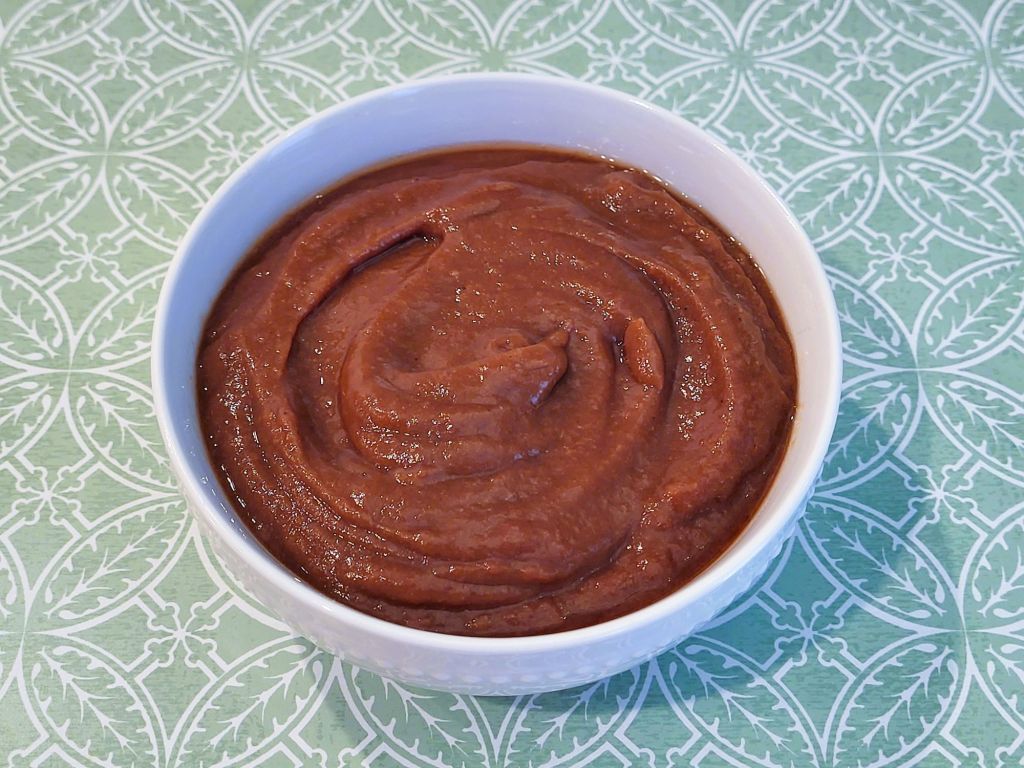
“When I first started doing a lot of Thai cooking, I got a block of tamarind pulp and would make up small portions as needed for the recipes. It is so much easier though to make up the whole block and once and freeze portions so that you aren’t having to strain the pulp each time. There is some confusion in various recipes about the differences between tamarind juice, paste and concentrate. For curries and such, this tamarind paste is what you want. I bought some tamarind concentrate one time, and while the flavor was great, it was dark and thick like molasses and turned my curry an odd color.” – April Ferre
Tamarind Paste
Ingredients
- 14 Ounces Seedless Tamarind Pulp (See Note)
- 1 1/2 to 2 Cups Water Or As Needed
Instructions
- Break apart tamarind pulp into small pieces and place in a large, heat-proof mixing bowl.
- In a small saucepan, bring 1 1/2 cup water to a simmer and pour over tamarind pulp. Allow tamarind to soften for approximately 20 minutes.
- As the tamarind is softening, use a potato masher to start loosening the pulp from the fibers. Eventually, you will end up with a mixtures the consistency of a smoothie.
- Different brands of tamarind have more pulp than others, so if the mixture is too thick, you can add a little bit more water.
- Place a large strainer over a bowl and working in two batches, strain the pulp from the fibrous material by using a large spoon to push the mixture through. If you are having problems straining the mixture, you can add a bit more water.
- The tamarind paste can be used for cooking immediately. Makes approximately 2 to 2 1/2 cups.
- For storage and use in the next couple of months, simmer the paste for 4 to 5 minutes and then place in two half-pint mason jars. Affix two piece canning lids and place in the refrigerator.
- Note: Jars will "seal" but since they aren't officially canned, they will need to stay refrigerated, however; it will increase their shelf life.
- For longer term storage, freeze tamarind paste into cubes in an ice cube tray and store then in freezer bags until needed. Most ice cube trays hold 2 tablespoon portions.
Notes
Buy tamarind pulp that comes in a rectangular block and is a product of Thailand. Do not use pulp from whole pods.
2026 Adapted Recipe – April Ferre – Adapted from Hot Thai Kitchen